
Sheer Curtains in Brisbane for Soft Light and Everyday Privacy
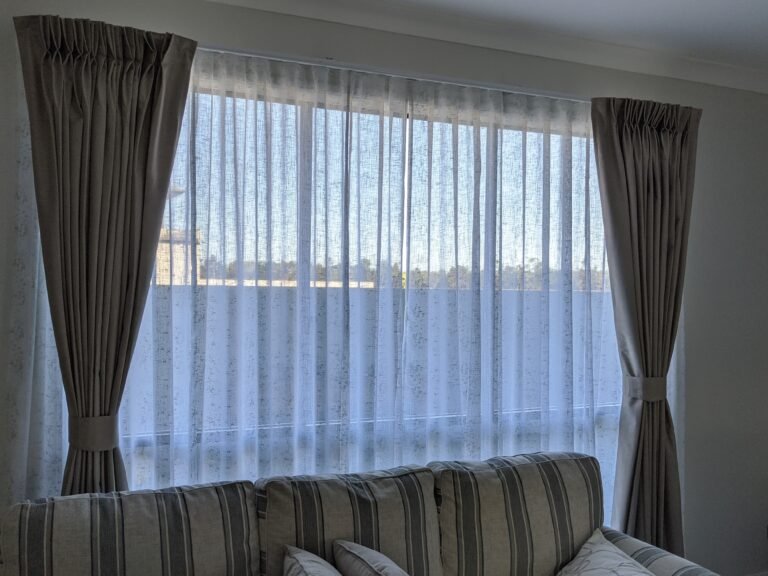
Sheer curtains are often chosen for rooms where natural light is welcome but completely uncovered windows feel too exposed. In homes across Australia, they can provide a practical middle ground by filtering harsh daylight, softening the appearance of windows, and adding privacy during the daytime without making interiors feel closed or heavy.
Unlike thick curtains that substantially block sunlight, sheer curtains are made from lightweight, translucent fabrics. Their purpose is not complete darkness. Instead, they diffuse incoming light so that a room receives a softer, more comfortable glow.
Where Do Sheer Curtains Work Best?
Sheer curtains can suit several areas of a home, particularly spaces where daylight contributes to the overall atmosphere.
Common applications include:
Living rooms with large windows or sliding glass doors
Dining areas that benefit from natural brightness
Bedrooms used during the daytime
Alfresco doors, patios, and large glazed openings
Study rooms and home offices where glare needs to be softened
Formal sitting areas
Apartments and open-plan living spaces where maintaining a light visual feel is important
The amount of privacy provided depends on the fabric density, colour, weave, and lighting conditions. During daylight hours, a properly selected sheer fabric can reduce direct visibility from outside. At night, when interior lights are switched on, additional window covering may be necessary for greater privacy.
Why Fabric Selection Matters
Not every sheer fabric produces the same effect. Some have a crisp and structured appearance, while others create softer, fluid folds. The weave can also determine how much daylight enters the room.
Before choosing a fabric, consider how the window faces the sun. A room receiving strong afternoon sunlight may require a denser sheer or UV-resistant weave than a room receiving indirect daylight.
Colour matters as well. White, linen, off-white, beige, and other soft neutral tones are commonly used because they blend easily with different interior styles. However, subtle charcoal or warm tones can also be selected to complement furniture, wall finishes, flooring, and timber accents in the room.
Sheer Curtains Can Be Layered
One of the most practical ways to use sheer curtains is through layering.
A sheer layer can remain closed during the day to filter light and reduce indoor heat, while a heavier blockout curtain or roller blind can be drawn when complete privacy or light control is required. This arrangement gives homeowners far more flexibility than relying on a single fabric throughout the day.
Layering can be particularly useful in bedrooms and living spaces where lighting and insulation requirements change from morning to evening.
The installation should be planned carefully so that both layers move freely. Double tracks, ceiling-mounted tracks, window dimensions, and available wall space can influence the final arrangement.
Consider Curtain Fullness and Length
Sheer curtains generally look better when enough fabric is used to create natural, generous folds rather than hanging completely flat.
Curtain fullness influences how rich and finished the window treatment appears. It can also affect privacy because additional fabric creates overlapping folds that reduce direct visibility.
Length is another important consideration. Floor-length or slightly puddled curtains can create a clean, modern, and elegant appearance, particularly around large windows and glass doors. Shorter curtains may be suitable for specific functional areas, but measurements should always account for window proportions and surrounding architectural features.
Maintenance Should Be Part of the Decision
Lightweight fabrics can collect dust, especially near frequently opened windows and doors. For homes across Australia, selecting fabrics that are durable and easy to maintain can make everyday care simpler.
Before finalising the material, check whether it is machine washable, dry-clean only, or requires specialized care. Delicate fabrics may look attractive but can be less practical in high-traffic or high-use areas.
Homeowners should also consider how frequently the curtains will be opened and closed. The fabric, stitching, heading style (such as S-fold or pinch pleat), and track system should suit regular movement.
The best sheer curtain is ultimately one that balances daylight, privacy, thermal comfort, maintenance, and the character of the room. Blinds N Curtains works with customised window-covering requirements where measurements, fabric selection, and the intended use of the space can be considered together.
When selected thoughtfully, sheer curtains do more than decorate a window. They influence how daylight enters the room, how private the space feels during the day, and how comfortably the interior connects with the outdoors.
